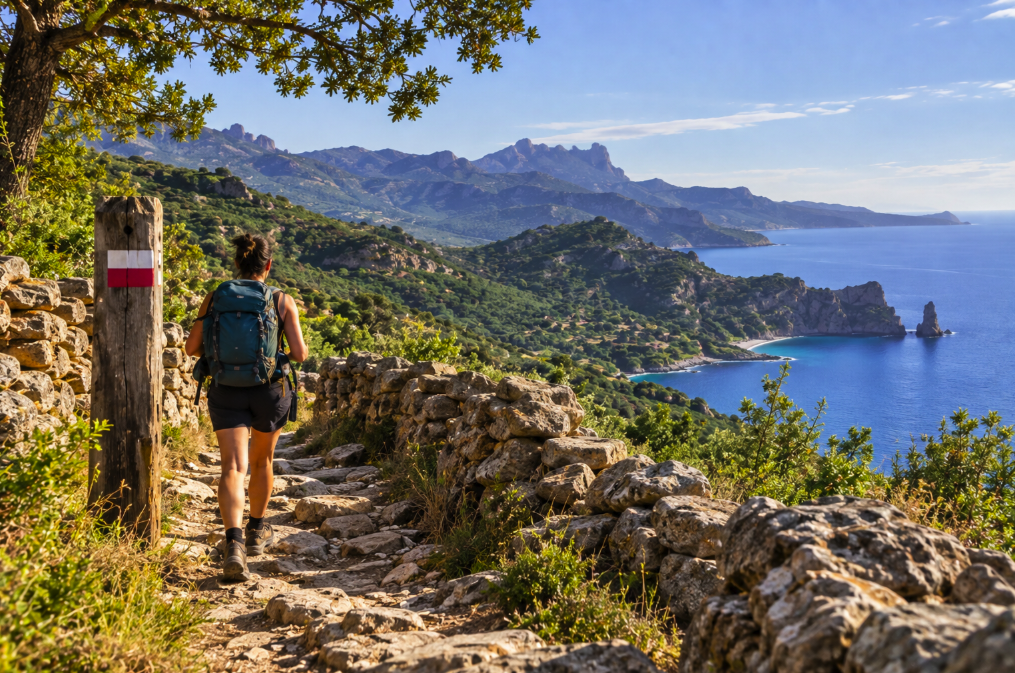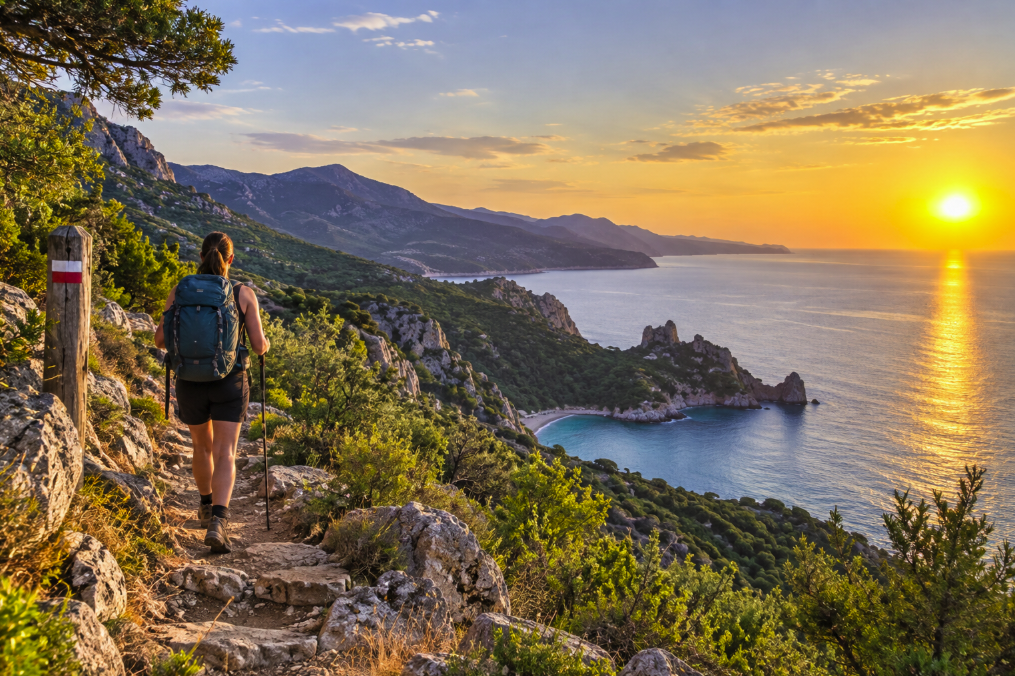
Sardinia is increasingly presenting its walking routes as a connected network rather than a collection of isolated trails. The idea fits a wider shift toward slow tourism: traveling at a human pace, spending more time in smaller communities and discovering the island beyond the summer beach season.
Historic paths, religious routes, mining landscapes and inland villages create opportunities for itineraries that combine nature, archaeology, food and local culture.
Why walking changes the way you see Sardinia
On foot, the distance between destinations becomes part of the experience. Travelers pass through landscapes that are usually crossed quickly by car and are more likely to stop in villages, small restaurants, farm stays and local shops.
This type of tourism can also help spread visitor flows across spring, autumn and winter, when temperatures are often better suited to walking than the peak of summer.
Planning a slow trip
Routes vary greatly in difficulty and services, so walkers should check distances, water availability, accommodation and transport before setting out. Coastal stretches can be exposed to sun and wind, while inland routes may cross remote terrain.
For Sardinia, the growth of a walking network is not simply another tourism product. It is a way to connect territories and encourage visitors to experience the island as a place to travel through slowly, not only as a collection of beaches.