September may be one of the most balanced months for an American vacation in Sardinia. The Mediterranean is still warm enough for swimming, the fiercest summer heat is beginning to ease, and the island offers much more than beach time as village festivals and inland traditions return to the calendar. In 2026, there is another major advantage for travelers from the United States: Delta’s seasonal nonstop between New York JFK and Olbia continues through September, making northern Sardinia unusually easy to reach.
That does not mean September is automatically perfect. Weather becomes more changeable as the month progresses, some seasonal services begin to wind down, and famous places can still be busy. But for travelers who want beaches without making every day exclusively about the beach, September is difficult to ignore.
The sea is still warm
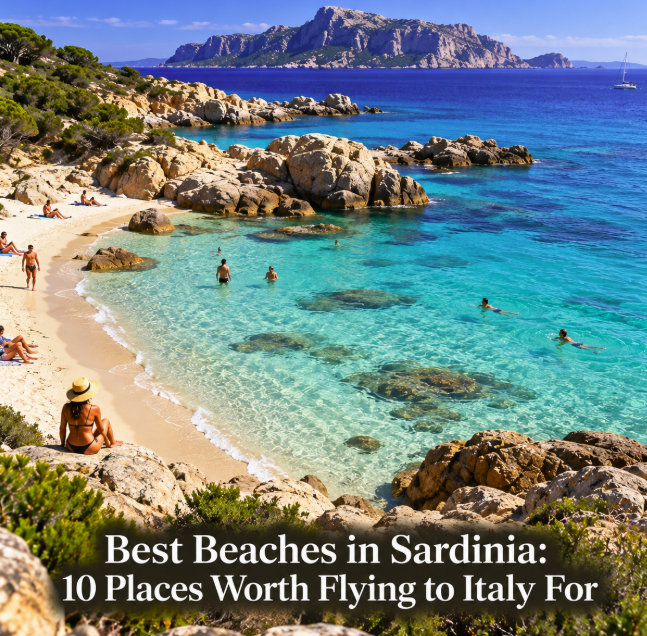
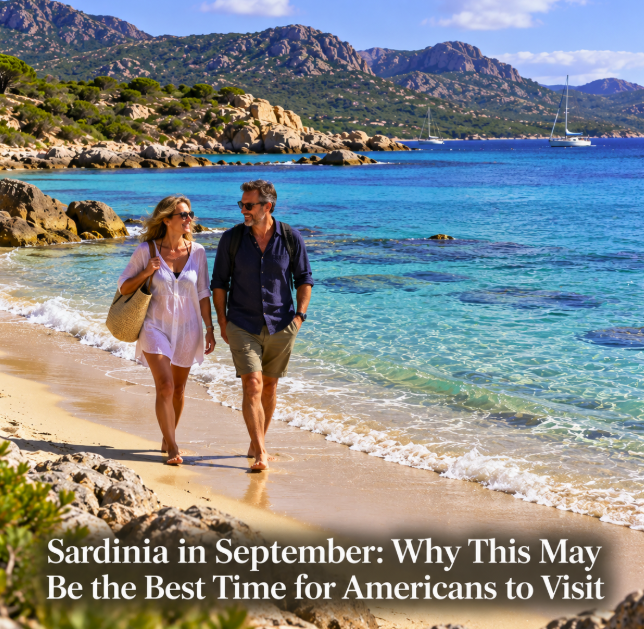
Sardinia does not suddenly become an autumn destination on September 1. The sea retains the heat accumulated during summer, which is why September can remain a genuine swimming month rather than simply a sightseeing season.
Typical September sea temperatures are around 23–24°C in several major coastal areas, including Alghero and Cagliari. For many swimmers, that remains comfortable, particularly on sunny and calm afternoons.
Air temperatures are also generally more forgiving than at the height of summer. September averages remain in the mid-20s Celsius along much of the coast, although individual days can be warmer or cooler. By late September, evenings are noticeably fresher and a light layer becomes useful.
The trade-off is predictability. September can bring rain, cloud and stronger wind, especially later in the month. Travelers should think in terms of flexible beach days rather than guaranteed uninterrupted sunshine.
Beach days become easier to combine with the rest of Sardinia
July and August naturally push visitors toward the coast. High temperatures can make archaeological sites, city walks and inland excursions tiring during the middle of the day. September creates a better balance.
You can swim in the morning, spend late afternoon exploring Alghero’s old town, or use a cooler day for a nuragic site, winery, mountain drive or village lunch. Hiking also becomes more appealing as temperatures moderate, although exposed trails can still be hot and require proper preparation.
This flexibility is particularly useful for Americans crossing the Atlantic for a week or two. Sardinia is too culturally and geographically varied to treat solely as a resort destination, and September makes it easier to experience several sides of the island in the same trip.
September 2026 has a major advantage from New York
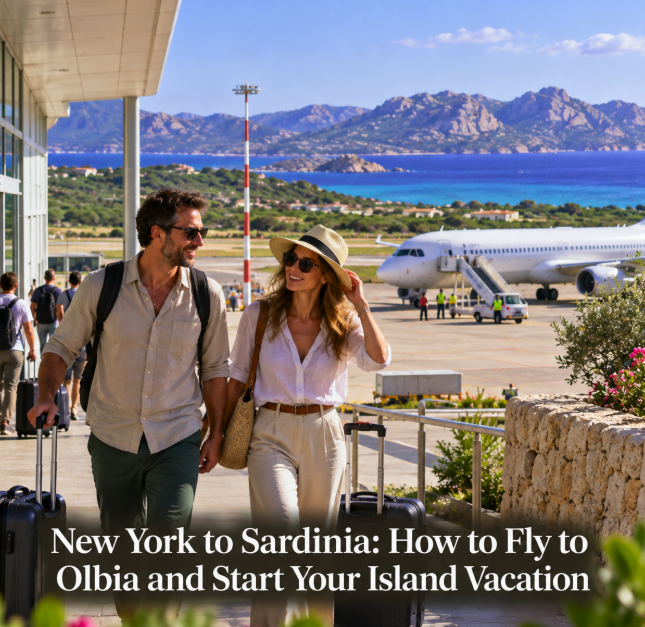
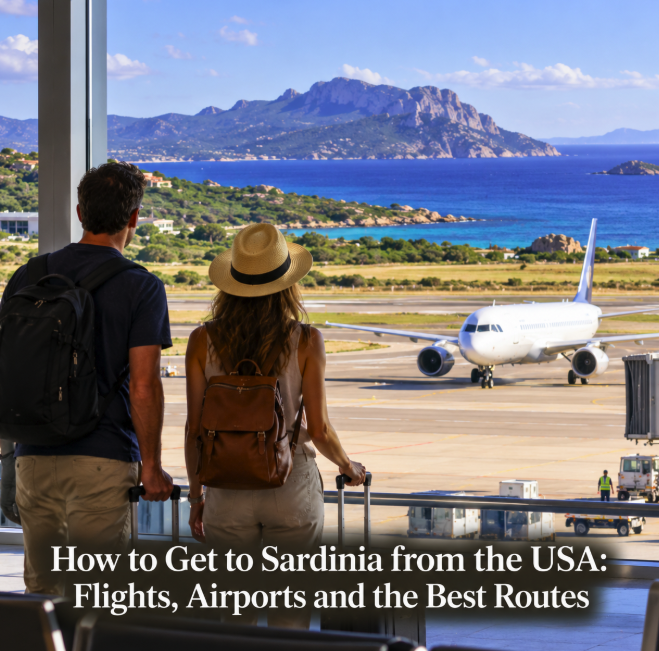
For travelers in the New York area, 2026 has changed the practical equation. Delta launched the first scheduled nonstop connection between the United States and Sardinia, linking New York JFK with Olbia Costa Smeralda Airport.
The service began in May 2026 and operates four times weekly during its seasonal schedule. Current airport and airline information confirms that it is operating in September. Delta’s published summer transatlantic schedule extends through October 24, although travelers should always verify their exact dates before booking.
That makes September particularly attractive for a northeastern Sardinia itinerary. An overnight flight from JFK can put travelers directly in Olbia, close to Costa Smeralda, San Teodoro, Palau and the gateway to La Maddalena, without a connection in Rome or another European hub.
Americans departing from other cities can still connect through New York, Rome, Milan or another European airport depending on schedules and fares.
The island begins to turn inland
One of the strongest reasons to visit in September has little to do with the sea. Autunno in Barbagia, Sardinia’s long-running series of village events in the island’s interior, begins in September and continues into December.
The project grew from the Cortes Apertas tradition, in which historic homes and courtyards open to visitors and local communities present food, crafts and cultural traditions. It provides a completely different perspective from the coastal Sardinia seen in beach advertising.
The official 2026 calendar starts in Bitti on September 5–6, followed by Oliena on September 12–13. Lodine and Sarule host events on September 19–20, while Austis, Dorgali and Orani are scheduled for September 26–27.
For an American visitor, combining a beach base with one of these weekends can transform the trip. The coast shows Sardinia’s Mediterranean landscape; the inland villages reveal food traditions, architecture, craftsmanship and a much stronger sense of the island’s year-round life.
But September is not crowd-free
Calling September “quiet” without qualification would be misleading. The first half of the month can still feel very summery, especially around Costa Smeralda, San Teodoro, Villasimius, Alghero and other established destinations.
Popular beaches remain popular when the weather is good. Controlled-access systems may also continue into September at sensitive beaches, and parking can still be competitive on warm weekends.
The difference is gradual rather than dramatic. As the month advances, the peak August pressure generally eases, but travelers should not expect to have famous beaches to themselves.
The same applies inland: Autunno in Barbagia can make participating villages busy on event weekends. That is part of the attraction, not a flaw, but accommodation and restaurant planning can be useful.
September can work well for a road trip
A rental car opens up much more of Sardinia, and September is a strong month for driving. The combination of beach weather and more comfortable sightseeing makes it easier to build a varied itinerary rather than race between resorts.
A northern trip could begin in Olbia, continue through Costa Smeralda and Palau, then move west toward Castelsardo and Alghero. A southern trip might combine Cagliari, Villasimius, Chia and inland archaeological sites. Travelers interested in the east coast can build time around Ogliastra and the Gulf of Orosei, while a Barbagia weekend adds a completely different landscape.
Do not underestimate distances. Sardinia is a large island, and mountain or coastal roads can be slower than the mileage suggests. Two well-chosen bases are often more enjoyable than changing hotels every night.
Prices can improve, but do not assume everything is cheap
September is shoulder season in many parts of Sardinia, but there is no universal rule that hotels, rental cars or flights become inexpensive on September 1. Rates depend on location, weekend demand, events and how early you book.
Luxury areas of the northeast can remain expensive while the weather is still summery. Conversely, less internationally famous towns and inland accommodation can offer a very different price level.
Compare actual dates rather than relying on generic claims about “off-season bargains.” The direct New York–Olbia route also creates a new demand pattern in 2026, so airfare should be checked rather than assumed to fall after August.
What to pack
Pack swimwear, sunscreen, sunglasses and summer clothing, but add a light jacket or sweater for evenings. A compact rain layer is useful, particularly for a late-September trip. Comfortable walking shoes matter if you plan to explore archaeological sites, villages or hiking routes.
If you are renting a car, download offline maps before leaving areas with strong mobile coverage. For beach days, check wind as well as temperature: a sunny forecast can still produce rough conditions on an exposed coast.
Boat excursions are also weather-dependent. Avoid scheduling the one boat trip you care about on the final day of the vacation, because wind or sea conditions can force changes.
Early or late September?
Choose early September if the priority is a more summer-like beach vacation. The days are longer, seasonal tourism businesses are more likely to be operating at full rhythm, and the transition from August is still recent.
Choose the second half of September if you prefer a stronger mix of beach time, road trips and cultural events. The official Autunno in Barbagia calendar becomes especially active, while temperatures can be more comfortable for inland exploration.
Late September does carry more weather uncertainty, so it suits travelers who are happy to replace a cloudy beach day with a village, winery, museum, archaeological site or long lunch.
Why September makes sense for Americans
For American travelers, Sardinia requires enough effort and expense that variety matters. Flying across the Atlantic only to spend every day chasing the same beach experience can miss much of what makes the island distinctive.
September provides a useful overlap: summer has not entirely disappeared, but Sardinia’s autumn cultural calendar has begun. You can swim in clear Mediterranean water, drive into Barbagia for a village festival, eat outdoors in the evening and explore historic towns without building the entire trip around peak-summer heat.
Add the 2026 New York–Olbia nonstop, and the month becomes particularly interesting for US visitors. It may not be objectively the “best” time for every traveler — families tied to school holidays, dedicated hikers and people seeking guaranteed peak heat will have different priorities — but for Americans who want beaches, culture and a road trip in one vacation, September is one of Sardinia’s most compelling windows.