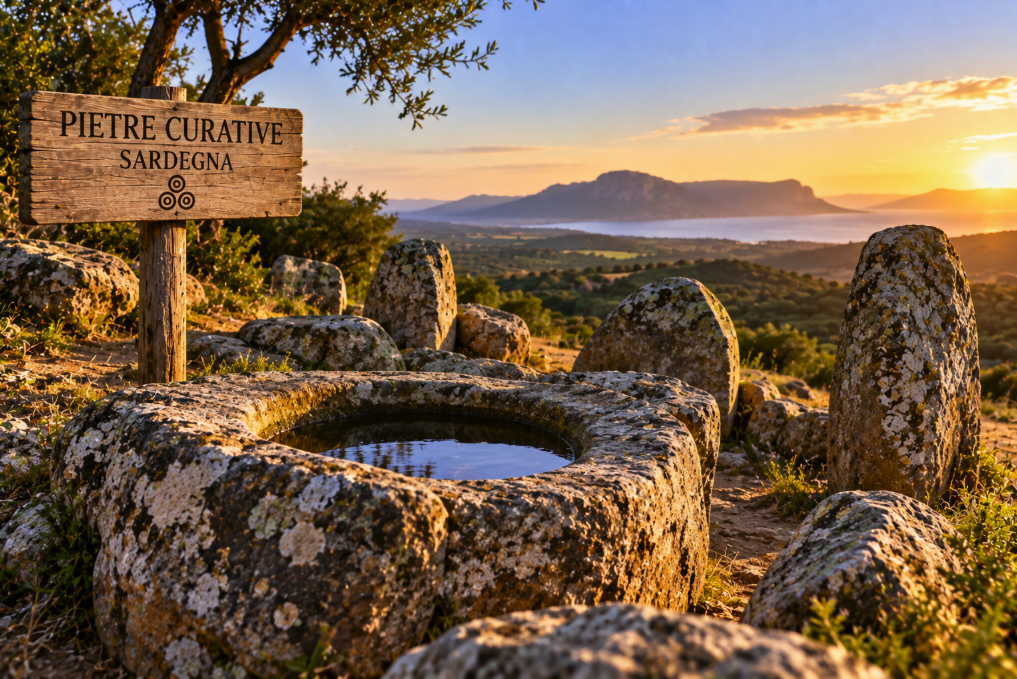
In Sardinian popular tradition, stones have often carried meanings that go far beyond their physical form. Certain objects, minerals and shaped stones were connected with protection, fertility, healing or the ability to ward off misfortune.
These beliefs belong to the world of folklore and historical tradition rather than modern medicine, but they offer a fascinating way to understand how Sardinian communities interpreted health, danger and the unseen.
Amulets and protective objects
Small stones, beads and pendants could be worn or kept in the home as protective objects. Their value often came from family tradition, local stories, religious symbolism or the belief that particular materials had special properties.
Some customs blended older popular practices with Christian devotion, producing rituals in which prayers, saints and traditional objects existed side by side.
Between archaeology and folklore
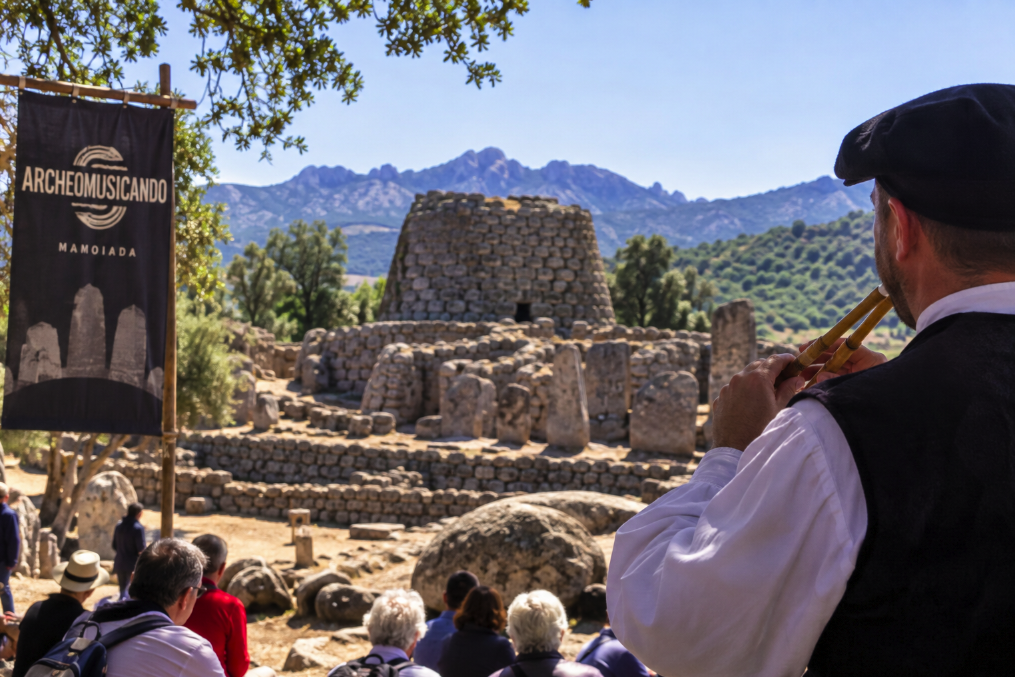
Sardinia’s prehistoric monuments naturally encouraged later legends. Unusual stones, ancient tombs and mysterious carved objects were sometimes given new meanings by communities that no longer knew their original function.
It is important to distinguish archaeological interpretation from later folklore: a belief recorded in recent centuries does not necessarily explain why an ancient object was originally made.
Why these traditions matter
Even without treating them as medical practices, stories about healing and protective stones preserve valuable information about local identity and oral culture. They show how people gave meaning to landscape and material objects over generations.
Today these traditions are best approached as cultural heritage: with curiosity, but also with a clear distinction between historical belief and evidence-based healthcare.