Yes, it is possible to travel around Sardinia without renting a car — but the success of a car-free trip depends heavily on where you stay and what you want to see. Sardinia has regional buses, trains, urban transport and an increasingly integrated digital ticketing system. Cities and major towns are relatively straightforward; remote beaches, countryside accommodation and multi-stop rural itineraries require much more planning.
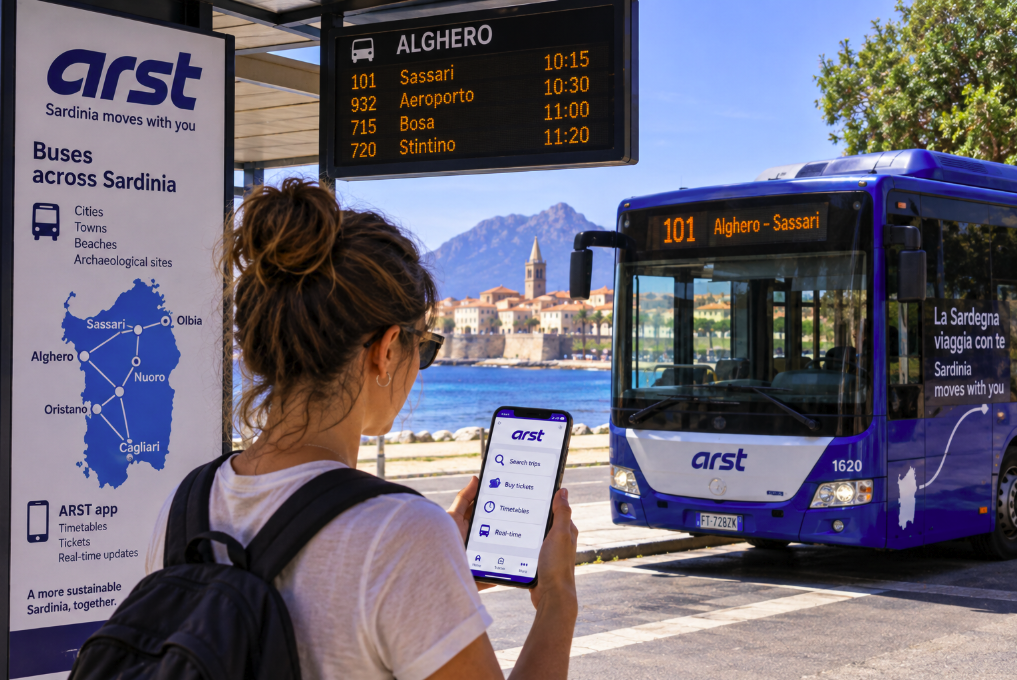
For visitors searching for an “ARST app,” the most useful name to know in 2026 is Around Sardinia. It is the regional integrated ticketing and journey-planning platform, and official Sardegna Mobilità information says it can be used to plan trips and purchase public-transport tickets from participating operators across the island.
What is ARST?
ARST — Azienda Regionale Sarda Trasporti — is Sardinia’s main regional public-transport operator. Its network includes extra-urban buses, some urban bus services, narrow-gauge railway services and the light-rail systems in Cagliari and Sassari.
The regional transport portal’s current timetable data includes ARST services throughout 2026, and the network reaches many towns that tourists might otherwise assume require a rental car. Public transport can therefore work well for straightforward journeys such as travelling between cities, reaching selected coastal towns or building a holiday around one or two bases.
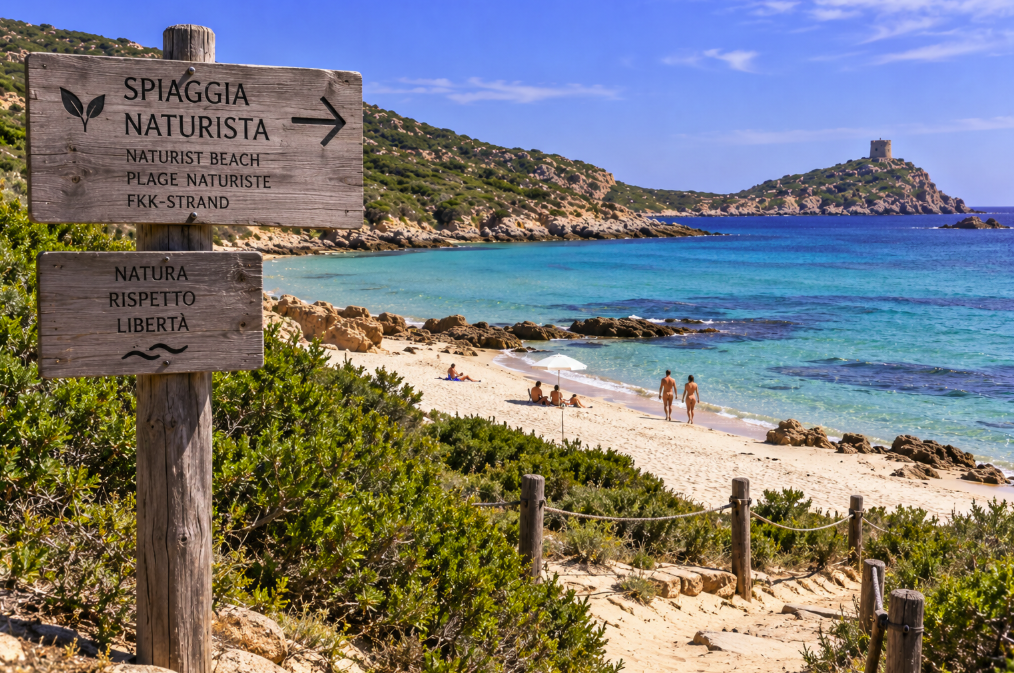
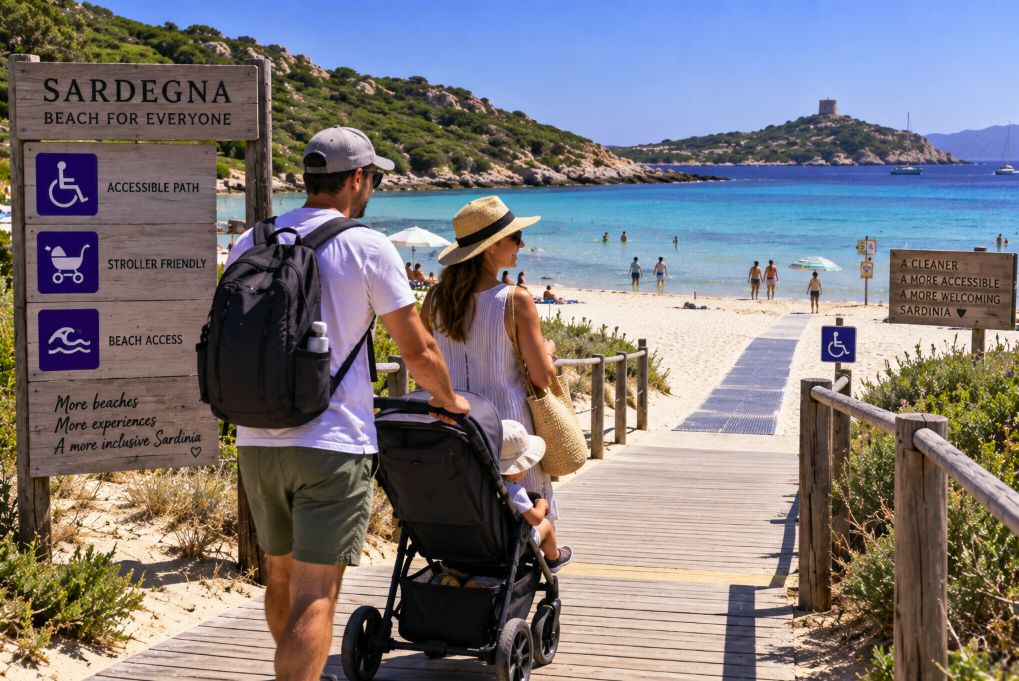
It is less suited to spontaneous beach hopping. A beach that appears only a short distance from a town on a map may have a limited seasonal bus service, an inconvenient final walk or no useful public connection at the time you want to return. Sunday, holiday and seasonal timetables also deserve particular attention.
The app to know: Around Sardinia
Around Sardinia is an official regional Account Based Ticketing platform designed to reduce the fragmentation between Sardinia’s different public transport companies. Sardegna Mobilità states that all five public local-transport operators — ARST, CTM, ASPO, ATP Sassari and ATP Nuoro — participate in the system.
The platform allows users to plan journeys and purchase available tickets through a mobile app or web interface. Regional guidance specifically presents it as useful for tourists travelling across Sardinia without having to rely on a different ticketing system for every operator.
ARST’s mobility charter also lists Around Sardinia among its digital ticket-purchase channels, alongside DropTicket and TabNet. Around Sardinia has the added advantage of timetable consultation and trip planning, making it the logical first app for a visitor to install.
The regional Sardegna Mobilità portal itself also has a journey planner and publishes current service notices. This matters because temporary route changes are common enough to check before travel: road works, local festivals and events can alter stops or routes for particular days.
Other useful journey-planning tools
Sardegna Mobilità lists several applications that use the region’s open public-transport data. Teseo Sardegna provides schedules, stops, routes and journey planning across Sardinia. The portal also lists Moovit and Orari Bus Sardegna, the latter focusing on ARST bus and rail timetables and allowing searches for direct journeys and some connections involving one change.
These can be useful as a second check, but visitors should still look at official operator notices when a connection is important. The regional portal maintains updated ARST timetable datasets and publishes service-change alerts.
Where a car-free Sardinia trip works best
Cagliari is the easiest base for a holiday without a car. The city has an extensive CTM urban bus network, MetroCagliari and rail connections, while regional buses and trains provide onward travel. A visitor interested in city life, Poetto beach and selected excursions can comfortably spend several days without driving.
Alghero can also work well. ARST operates urban services there, and the city is connected by public transport with the airport and other destinations in north-west Sardinia. Staying within walking distance of Alghero’s historic centre makes restaurants, the waterfront and many everyday services accessible without transport at all. Excursions such as Capo Caccia require timetable planning but can be reached by public transport when the relevant service operates.
Sassari, Oristano and Olbia are also connected to wider networks. Rail is particularly useful on the main Trenitalia axis linking major centres, while ARST fills many gaps with buses. The exact combination depends on the route, which is why using a journey planner is more reliable than assuming every city-to-city trip is operated by the same company.
Where travelling without a car becomes difficult
The challenge begins when an itinerary is built around isolated coves, agriturismi, archaeological sites far from towns or several small villages in a single day. Sardinia is large, population density is low in many areas and public transport is designed primarily to connect communities rather than reproduce a tourist sightseeing circuit.
A car-free traveller can reach many beautiful places, but may have to organize the day around the bus rather than around preferred beach times. A route with one useful morning departure and one afternoon return can still be perfectly workable — as long as you know about it before arriving.
For that reason, choosing accommodation close to a station or a well-served bus stop is much more important on Sardinia than in a compact European city. Before booking a rural hotel or agriturismo, check the actual public-transport route from the nearest town, including the final distance from the stop to the property.
Buying tickets and avoiding common mistakes
ARST says tickets can be purchased through authorized retailers, ticket machines and digital apps including Around Sardinia, DropTicket and TabNet. Tickets can also be sold aboard ARST buses and trains with a surcharge, although onboard purchase is not available on MetroCagliari and MetroSassari. Buying digitally before boarding is therefore usually simpler for visitors.
Do not assume that showing a purchased mobile ticket is always the end of the process: follow the activation or validation instructions shown by the app for the specific ticket. Likewise, do not rely on a screenshot of an old timetable. Check the journey again close to departure and look for current service notices.
The best car-free strategy is simple: choose a well-connected base, use Around Sardinia to plan and buy tickets, check official notices, and avoid overloading each day with distant stops. Public transport is a realistic way to experience Sardinia, but it rewards travellers who plan ahead.
If your ideal holiday means Cagliari, Alghero or another major base with a handful of carefully chosen excursions, you may not need a car at all. If the dream is a different hidden beach every morning, remote mountain villages and countryside dinners late at night, renting a car remains far more flexible. Sardinia can be explored without driving — it just becomes a different kind of trip.